

Own a piece of the buildings everybody needs.
Red Rugger acquires workforce and garden‑style apartment property in emerging markets across the United States, improves it, operates it, and distributes the income to the people who own it with us. This page explains exactly how — including the parts most sponsors leave out.
- Minimum$25,000
- Target hold5–7 years
- DistributionsQuarterly, once stabilized
These are targets, not guarantees. They describe what we underwrite toward — not a promise, a projection of actual results, or a commitment to pay. Real returns depend on property performance, financing costs, insurance, occupancy and market conditions, and may be materially lower, including the loss of some or all of your capital. Distributions can be reduced or paused. Past performance does not predict future results. Full disclosures.
Why apartments.
Demand that doesn't switch off
Housing is the last expense a household stops paying. Offices empty, retail moves online, but people rent somewhere. Workforce apartments — the unglamorous middle of the market — hold occupancy through cycles precisely because they are what people move to when money gets tight.
Income spread across many tenants
In a single‑family rental one departure takes income to zero. In a hundred‑unit building, one departure is a one‑percent variance absorbed by a full‑time leasing and maintenance operation. Scale is not just efficiency here — it is the risk control.
Value you can create, not just buy
Apartment property is valued off the income it produces. Raise net operating income — through renovation, better management, cutting waste, correcting under‑market rents — and you raise the value of the asset directly. You are not waiting for the market to hand you a return.
Where the growth is
We target emerging U.S. markets — places with population growth, in‑migration and a cost of ownership that has pushed a whole cohort of would‑be buyers into renting for longer. We underwrite a market before we underwrite a building, and we walk every property we buy, because local knowledge is worth more than a spreadsheet about a place you have never driven.
What we buy — and what we walk away from.
Discipline in this business is mostly the discipline of saying no. Most deals we look at fail one of these tests, and we would rather sit on capital than force a deal to work in a model.
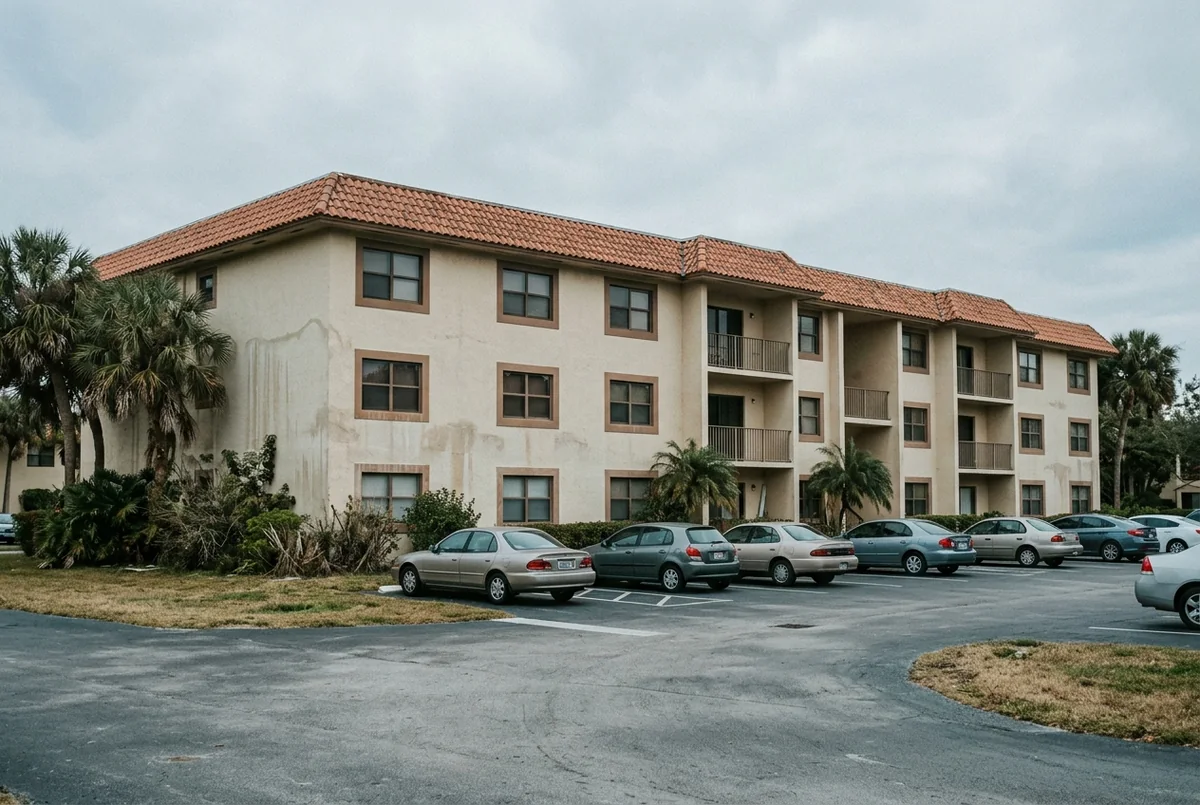
We look for
- 50–150 units — large enough for on‑site staff, small enough that institutional buyers ignore it.
- Built 1980–2010, garden‑style or workforce product with solid bones and dated interiors.
- Occupancy already above 85% — we improve running buildings, we don't rescue empty ones.
- A visible reason rents are below market: deferred maintenance, absent management, unrenovated units.
- Debt service coverage that works at today's rents, before a single improvement.
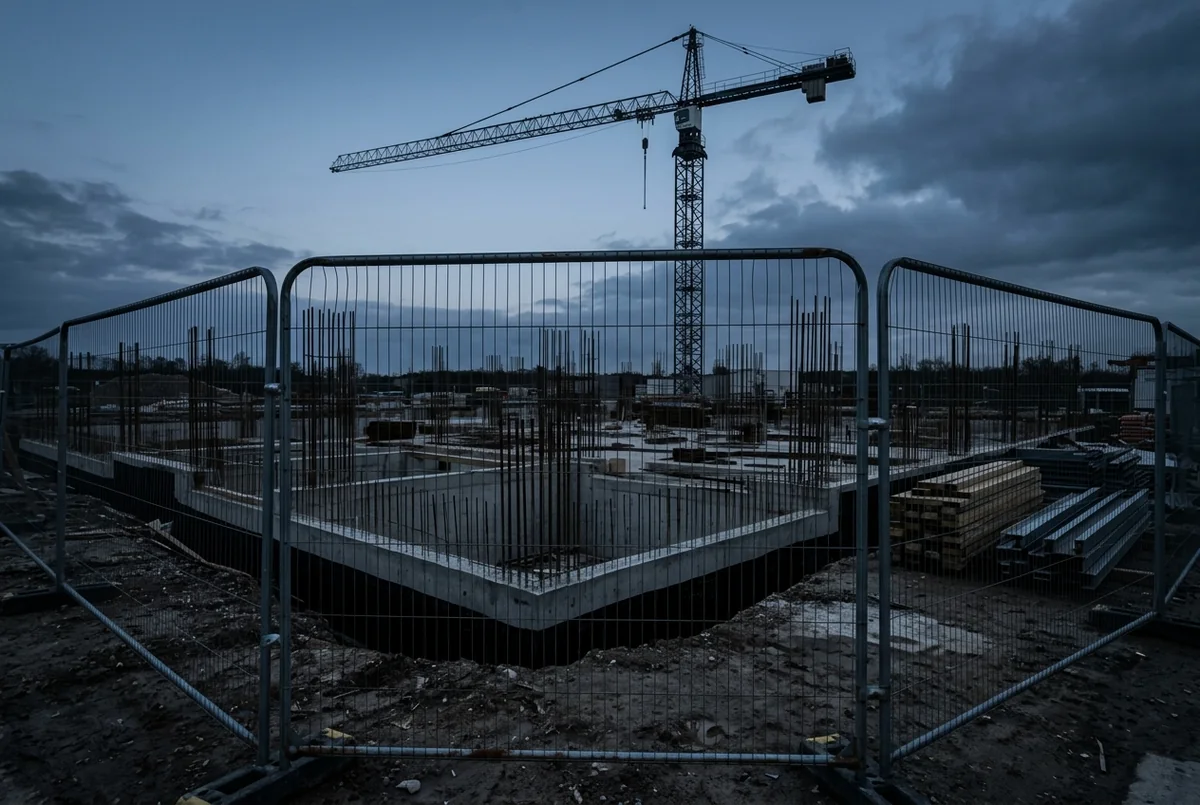
We pass on
- Ground‑up development, and the entitlement risk that comes with it.
- Deals that only clear their hurdle on floating‑rate debt and an assumed rate cut.
- Markets we can't be standing in within two hours.
- Rent projections that require the best year in the market's history to repeat.
How we increase value.
Apartment value is a function of net operating income. Every step below either raises income or lowers cost — which is the same thing.
Acquire below replacement cost
Buy for less than it would cost to build the same building today. That gap is the margin of safety, and it exists before we do any work at all.
Renovate on turnover
Units are improved as leases end, not by displacing residents. Kitchens, flooring, fixtures, paint — the changes a renter will actually pay more for, at a cost per unit we know from doing hundreds of them.
Correct under‑market rents
Absentee owners routinely leave rents well below the comparable set. Bringing a renovated unit to market rate is the single largest lever, and it requires no speculation about the future — only about what the building next door already charges.
Cut the cost side
Re‑bid insurance and contracts, meter water where possible, fix the maintenance that keeps recurring, and end the small leaks that never show up on a tour but do show up on a P&L.
Stabilize, then decide
Once income is stabilized, the options are refinance and return capital, hold for cash flow, or sell. That decision is made on the numbers at the time — not on a date we picked before we owned it.
The first conversation costs you twenty minutes.
Tell us what you're looking for and we'll set up a call. You'll see a specific property with real numbers only once we both think there's a fit — and you're free to walk away at any point.